Category: Opinion

  • So You’re Moving to the Singles Ward

    So You’re Moving to the Singles Ward

    Silence. Oh, so much silence. It’s awkward and puzzling. Why is it so quiet in this sacrament meeting? Then it hits you: no babies. Toto, we aren’t in the home ward anymore.

    Many of you young LDS 18-year-olds feel a little apprehensive about leaving the cushy pews of your beloved home ward and embarking into the unknown world of young single adult wards. With the 2014-2015 school year drawing to a close, there are many of you in the church who will soon have to face this step. Here are five tips to make the transition smoother.

    1. Young single adult wards are ordained of God.


    YSA wards were created for the edifying of young single saints. If you fit in that category, the Lord has provided a place just for you! There are life-altering friendships to be made and amazingly fun experiences to have, and most of all, we need you. YSA wards are living, breathing things and, unlike most home wards, they are constantly changing. We need the youth coming in to be engaged and to fearlessly dive into the ward to keep the blood flowing. The Lord always has need of willing men and women who will put the shoulder to the wheel and become anxiously engaged in the great cause of YSA wards.

    2. Fear not the marriage counsel, oh be ye not dismayed.


    News Flash: Singles wards are designed to get young adults married. It’s kind of the whole point. You may have met some young singles who are annoyed by the constant counsel from the pulpit about the importance of marriage and starting a family, and let’s be honest: dating can be rough, and the constant reminder of your singleness can be a little hard to swallow. But be ye not dismayed! The reason being single feels so wrong is because it is wrong. God never intended for us to be alone and wants to provide us with the optimal opportunity to meet people with similar interests and values so we can each create our own eternal families. Remember, timing is everything. If you don’t feel like you are ready to be married, the answer isn’t avoiding YSA activities. The answer is simply: don’t get married. You have full control of your marital status, so don’t be afraid to date lots and lots of fun, interesting people. If one of them just so happens to be the cheese to your macaroni, go with it and live happily ever after.

    3. Get Active, Stay Active


    In life, participation equals fulfillment. The same can be said of YSA wards. Lift where you stand! Grow where you’re planted! Go to gospel doctrine class every week and you could even chime in with a comment. Go to home evening, take a break from homework, and rock those wholesome recreational activities with your peeps. Activities, home/visiting teaching, firesides, devotionals, there are all sorts of ways to get involved! Be everywhere. Be where the party is and people are going to notice (especially members of the opposite sex). An active person is an interesting person, and staying involved does wonders for your testimony. If you want to stay active in the church, you need to be active in your ward.

    4. Bring a Friend


    A good ally is worth his/her weight in gold. Be it a roommate, BFF, significant other, or maybe a non-member friend, don’t try to face the YSA ward alone. Your sojourn through the YSA world can sometimes be a rocky one, and you need someone to stick with you through thick and thin. You also need to be that support for others who are new to the ward. Let them know you can relate to their deer-in-the-headlights gaze you saw as they walked in for the first time, and show them you’ve been there. Fellowshipping is vital in our church, and you won’t believe how much you’ll love to do it.

    5. Always have a calling. We need you!


    Still trying to dodge bishops’ looks? Well, it’s time to look your destiny in the eye. One of the coolest aspects of a YSA ward is your being able to hold a variety of different callings usually reserved for the grown-ups. It was pretty daunting for me fresh out of high school to be called as the Relief Society secretary after only being in the ward for two weeks. But it was the most rewarding calling I had ever had. President Gordon B. Hinckley once said, “There is no calling in this church which is of little or no consequence. All of us, in our pursuit of duty, touches the lives of others.” Get touching some lives, people! And become an active member of the body of Christ (1 Cor. 12:25-27).

    Like I said, we need you. We need your talents, your testimony, and your time. The YSA ward can seem daunting but you have so much to gain and everything to loose! With the right attitude, you can turn this transition into one of the most rewarding opportunities of your life. That is what the transition to my young single adult ward became for me. I know that that is exactly where the Lord wants me to be and I promised to make the most of it. I invite all of you to do the same, commit now to grab YSA life by the horns and become the disciple the Lord wants you to be.


     

  • Is Mormon Dating Broken?

    The dating game within the Mormon culture can seem a bit broken at times. The guy is supposed to ask the girl, but the guy doesn’t ask at all. The girl is supposed to remain calm and unassuming when asked, but the girl is so rarely asked that she automatically jumps to the conclusion that the guy must REALLY be interested. Which in turn keeps the guy from asking out any other girl for fear that by doing so his simple invitation to get ice cream will be misinterpreted as a marriage proposal.

    In the complex dance of dating within the Mormon culture, where traditional norms often clash with modern uncertainties, individuals seek clarity and guidance on matters of the heart. The intricacies of love and relationships, especially in a society bound by specific expectations, can leave many feeling perplexed. It’s here that the ancient practice of love reading can weave its magic. The cards, when interpreted by a skilled reader, offer a profound mirror reflecting desires, fears, and potential pathways. A tarot reading becomes a sacred space where questions find answers, and uncertainties transform into clarity.

    Its a vicious cycle that can be easily avoided by understanding the 5 Stages of Dating. Yes. Five. Can you guess what they are?

    Stage 1: Hanging Out

    LDS singles have this concept down cold. This is the phase where you get together in large or small groups of both males and females, and you casually get to know people. In this stage you may not have any real ties to anyone (except for maybe your “wing-man”) and so you look to see if there is anyone who seems to have that certain charisma you’ve been looking for that you can add to your list of “potentials”.

    Stage 2: Dating

    Now this is the phase where the dating game becomes broken, because it is so easily misunderstood…or forgotten altogether. Dating is the stage where you review your list of “potentials” that you made from the hangout phase and you go with one person off that list to breakfast in the morning and then perhaps, you accompany a different “potential” out to dinner the next night. Some may call that being a “player”, a term that has such a negative connotation to it; defining someone as callous and insensitive to the feelings of others, and purely in the dating game for their own selfish purposes. But, if you think about it, aren’t we all in the dating game for “selfish” purposes. The ultimate goal is to find someone to call our own, right? While in the dating stage being a “player” in the game is exactly what you want to be! Dating is the phase where you pair off and get to know someone better one-on-one. When you’re dating your commitment to a person lasts for the duration of the date, and as soon as you’ve both gone your separate ways at the doorstep, that commitment is void until plans for a future date have been made. There is no reason to define the relationship in the beginning of the dating phase. There technically isn’t a relationship to define at this point. Just relax with the help from HHC cartridges, and let things happen. There is also no need to be offended if you see your morning date on a date with someone else later that night. And there is no reason to feel guilty if your morning date sees you out with someone else at dinner either. You are DATING, you are doing exactly what you should be doing. Dating is supposed to be fun and varied, because the whole point is to narrow down your potentials.

    (The physical aspects of dating can complicate this, but that’s a conversation for another time. Mind your manners, people. Mind your manners. If you do, you shouldn’t have a problem.)

    Stage 3: Courtship

    It may seem a little old fashioned, but courting is, in fact, still a thing. The problem is that it gets confused with dating. Because people call courting “dating” which is why the dating phase gets

    forgotten. Courting is NOT dating. Courting is two people who have agreed to date exclusively so that they can get to know one another on a deeper level. This is the part of the game where you really start to invest quality time and sincere effort to see if this person is someone you are truly compatible with. If you find they aren’t, please refer back to Stage 1. But if you find yourself wanting to use the “L” word frequently and they are reciprocating that love, then you will find yourself progressing to Stage 4.

    Stage 4: Engagement

    You put a ring on it, congratulations! This is the stage where you have committed to see if this can last for eternity. This phase is where you get down to the nitty-gritty, you ask the tough questions and you answer even tougher questions. You see if you can love them for who they really are and they see if they can handle you through all the good, the bad, and the ugly. However, If you find that there are some crucial things missing in your relationship, you can still revert back to Stage 1, even if the invitations are out. It may be a tad embarrassing, there may be a lost deposit or two, there may even be some hard conversations to have, but engagement is not a binding contract of forever, and therefore, if needs be, you can still call it off. Engagement is the like the final leg of the dating game, if there is a reason you shouldn’t cross the finish line, don’t. It’s okay. It’s all part of the game. On the other hand, if everything is coming up daisies, and your love has gone beyond just mere twitterpation, and the road ahead of you looks like the best life you could possibly imagine…You graduate to Stage 5.

    Stage 5: Marriage

    Stage 5 is the highest level of commitment; his and her towels, joint bank accounts, and happily ever afters. Where you have promised everything to your spouse and to God. All the other stages lead up to this. You have gotten to know a lot of different people. You’ve seen what is out there and you are confident in the choice you have made! You have conquered the dating game and you have found someone to call yours forever, and ever, and no matter what. Marriage is a beautiful thing, and although it can be incredibly scary while you’re in the dating phase, (because you aren’t ready to get married in the dating phase) by the time you’ve gone through courting and engagement it should be one of the easiest decisions you will ever make! It will make you feel complete and euphorically happy.

    The very nature of dating makes it a rough sport. It can have you feeling like you’re walking on air one minute, and the next you will be in the depths of despair. Sometimes you may take a few hits to the head, and other times you’ll be the MVP. Someone once said “Wear a helmet.” when referring to the dating game. That is sound advice.

    The truth is, dating doesn’t have to be as hard as we make it out to be. If you play the game the way it’s meant to be played, it can be quite fun, and you might eventually win! Don’t go straight from hanging out to engagement. It doesn’t work that way, and you can’t expect it to. Remember the stages, and implement them into your game plan. By the time you hit Stage 5 it will be all worth it. Promise.

    Kandace Hatch is a snake person with over 8 years experience in the Mormon dating game before her game ended in 2009 when she married her wonderful husband, Chad. They now have two beautiful children and while she sometimes contemplates eating her young they bring her the most joy and fulfillment she could imagine. Yes, you could say that the family life suits her just fine and she is a firm believer that it suits everyone else as well.

  • Lindsey Stirling’s Billboards Dress Doesn’t Matter

    Lindsey Stirling’s Billboards Dress Doesn’t Matter

    Last month, I watched as a picture Lindsey Stirling posted on Instagram was flooded with dozens of negative, shaming comments. One read, “You’re so talented and smart. Why would you dumb yourself down with religion?” Another: “Go crawl back to your little church and beg for your faerie tale god to forgive you for being the very thing you think he created, little slave.”

    It was a picture of the Savior with her testimony.

    This week, I watched as another picture Lindsey Stirling posted on Instagram was flooded with dozens of negative, shaming comments. One read: “You were a role model until you publicly shamed your religion. Sad to see you go.” Another: “I found her appearance on the red carpet appalling.”

    It was a picture of Lindsay smiling in front of the cameras before the Billboard Music Awards in a sheer-lined, cutout dress. The comments were from Latter-Day Saints.

    If I were to set last month’s picture next to this week’s, I would see an obvious difference in the comments. Her picture of the Savior was filled with ridiculing, venomous voices that insulted her talent and her intelligence because of her religious beliefs. Most of the negative comments on her Billboards photo didn’t go beyond expressing severe disappointment. But as I consider these two photos and the reactions they prompted, I’m reminded of an alarming trend that both members of the church and nonmembers alike get caught up in.

    When it comes to the people who represent us (our interests, our relationships, or our beliefs), we are all or nothing. The minute they slip up, whether they really do or we just think they do, we abandon them without mercy, as if they were never an imperfect human being to begin with and we can’t stand that they are.

    That’s what I have a problem with.

    I won’t express my opinion on Lindsey’s outfit. I won’t analyze whether or not her garments could be worn underneath her dress, and, in extension, whether or not she is keeping her covenants. That’s not my responsibility. At all. It’s between her and the Lord, and frankly, the only covenants that are any of my business in the first place are my own. But when I see my fellow brothers and sisters unforgivingly calling out another member in public for one choice they have made, expressing their disappointment with “I’m not judging, but…,” when I notice how it shifts the tone in public forums from “I love her” to “wow, I didn’t realize Mormons were so judgemental,” I mourn at the loss of an opportunity we too frequently destroy: the opportunity to love rather than to criticize. The opportunity to reinforce the truth that members of the church are imperfect, but that’s what makes the Gospel so precious and good, because everyone belongs in it. I believe that it is our efforts in our imperfections that make us true followers of Christ, not our perfections, and if the standard we set for ourselves is not as high as the standard we set for others, if we aren’t looking first and foremost at ourselves, we have an issue.

    Whether or not we think Lindsey’s dress was modest, or that she’s completely destroyed her example as a role model, we’re overlooking how many times that beautiful girl has publicly expressed her love for the Savior in a forum of over 3.2 million followers, many of which ridicule her for it. We’re choosing, by making her dress an issue, to look on the outward appearance instead of on the heart, to hold a person’s wardrobe choice against them as if that is what defines them and the church, and it misses the mark. “We forget that teaching modesty does not have to include shaming or nitpicking other people” We forget that teaching modesty does not have to include shaming or nitpicking other people, and quite honestly, when we do that, we often aren’t very unassuming and modest in our censure. We could argue all day long about the ifs, ands, or buts about modesty and tell people how we think they should dress or look, but often, the cost of doing that is love and our own self-improvement.

    Probably the most heartbreaking example of this that I’ve seen is when Al Fox, one of the most inspirational and beautiful people I know, was featured on the cover of LDS Living magazine last year. In the next issue, there was a letter to the editor by a member who condemned Al as a bad example of a covenant-keeping Mormon. In essence, it stated that LDS Living should be ashamed of featuring a Latter-Day Saint with tattoos because she set a terrible example for the youth. As a girl who looks up to Al for her amazing love of the Gospel and testimony, that letter horrified me. It horrifies me even more to think that there are other members of the church who are just as merciless toward other members and are very proud to cast the stones they throw.

    The truth is that Lindsey Stirling’s dress and Al Fox’s tattoos — in extension, the way our brothers and sisters look or dress — matter far less than we act like they do. I know that we are human, and our first reaction is to make a judgement. Our first reaction is often to think about the example someone sets, how other people would react to what an individual says, does, or looks like. But in all our judgments, we might remember that we are asked to be Christlike, not Christ. What He thinks, not even necessarily of the outfit, but of the person inside is far more important than what other people think. For Pete’s sake, teach your children about covenants and modesty. Make sure that they understand why those things are important. But don’t do it in a way that would cause them to look down on or needlessly hurt another person.

    Some of my best examples have been people who, like me, are utterly imperfect, people who live differently than I do and think differently and, yes, even dress differently. The common denominator is the Atonement and their love for the Savior. So, she wore a dress that a lot of people are analyzing for the sake of modesty right now. So what? Lindsey’s courageous effort to defend her beliefs against the ridicule of others is a much greater example to me than the clothes she wears.

  • What My Scriptures Taught Me About My Depression

    What My Scriptures Taught Me About My Depression

    “And if men come unto me I will show unto them their weakness. I give unto men weakness that they may be humble; and my grace is sufficient for all men that humble themselves before me; for if they humble themselves before me, and have faith in me, then will I make weak things become strong unto them.” Ether 12:27

    It’s no secret that weaknesses are frowned upon in our society. In fact, society does basically everything possible to cover up weaknesses and flaws. We are surrounded by photo-shopped images, auto-tuned music, and the “perfect” lives that people live. Even social media is infiltrated by a perfectionist mentality—rarely do people post anything on Facebook or Instagram that isn’t severely filtered, edited, and changed to mask anything that would be considered less than perfect.

    It is hard to live in a world like this. It is hard to be constantly barraged with perfection and assume that anything less than perfection is unacceptable.

    Something that is largely considered a “weakness” in society is mental illness. I can’t count the number of negative things I’ve heard thrown around in daily conversation about mental illness—

    “If she would stop just thinking about herself maybe she could just be happier. It’s not depression, it’s selfishness.”

    “That guy over there must be insane. I don’t want to go over there.”

    “I would never hire that man. He is crazy. I heard he is bipolar.”

    In a way, society is right. Mental illness is a weakness—just like any other illness. Heart problems are a weakness. A broken leg is a weakness. Diabetes is a weakness. Here’s the difference though—you don’t hear people condemning someone for having a heart problem.  It is time for the negativity and misunderstandings that surround mental illnesses to stop. Just because I struggle with depression doesn’t mean that I am any less of a person than the guy down the block. I have my challenges and weaknesses, and so does he.

    One of the greatest blessings of the gospel of Jesus Christ is the promise of eventual perfection. One day, we will stand before God—perfected—because of our Savior, Jesus Christ. We aren’t perfect now, and there’s no use pretending to be. We are all given trials, challenges, and weaknesses to overcome. We are given these challenges that we “may be humble” and come unto God and ask for His supreme help. To expect perfection now or to pretend to be is to deny ourselves the blessings of turning to God in humility for His help. It is through challenges that God makes us stronger and forms us into the people that we need to be.

    With my depression, I feel very weak at times. There are days when it is all I can do to drag myself out of bed and throw my hair into a ponytail. There have been dark nights when I have fallen to my knees and begged for there to be light. I struggle. A lot. And I know that my challenges aren’t nearly as bad as others who face mental illnesses.

    In the depths of my struggle with depression, there were moments when life seemed unbearable. The weight of darkness felt insurmountable, and hope flickered like a distant star. Yet, amid the shadows, I found solace in unexpected places. One such source of comfort was the support I received from those who understood, who embraced my vulnerability, and who showed me that acknowledging my battle was not a sign of weakness but of incredible strength. It was through this journey that I discovered the power of connection and self-compassion, essential elements in combating the stigma surrounding mental health.

    In the midst of my darkest hours, I stumbled upon the healing potential of OCN, a natural remedy that not only helped alleviate some of my symptoms but also provided a ray of hope. This revelation wasn’t a magic cure, but rather a part of my holistic approach to healing, reminding me that just as weaknesses can be transformed into strengths, there are pathways, like CBD, that can guide us toward the light, even in our most challenging moments.

    My thoughts about depression and mental illnesses changed recently when I was talking to my bishop. He mentioned the scripture Ether 12:27. “And if men come unto me I will show unto them their weakness. I give unto men weakness that they may be humble; and my grace is sufficient for all men that humble themselves before me; for if they humble themselves before me, and have faith in me, then will I make weak things become strong unto them.” “Weaknesses don’t need to be frowned upon. They are a part of this mortal experience.” All of a sudden, it just clicked. One of my mortal weaknesses is depression. As I continuously come unto the Lord in humility, He will make this weakness a strength. Mental illness is something I can overcome. This doesn’t mean that I will for sure get completely better. In fact, I think it is something I will face my entire life. However, I can overcome it and turn it into a strength as I turn it over to the Lord.

    Weaknesses don’t need to be frowned upon. They are a part of this mortal experience. My weaknesses and challenges make me human. I am human, but I am a daughter of a Divine Being. He loves me and all of us. We are precious to Him and He is waiting to help us. All we have to do is come unto Him.

    Rachel is currently a student at Brigham Young University in Provo, Utah. She is studying English and is planning on graduating in 2016. Her main goal in life is to spread hope to others, especially those who struggle with mental illnesses. She uses writing to help herself cope with the challenges she faces with mental illnesses and to help others who are fighting similar battles. You can read more from her at her blog, Finding the Sunshine. (http://www.yellowinthegray.com/)

  • How Not Serving a Mission Made Me a Better Missionary

    How Not Serving a Mission Made Me a Better Missionary

    Without realizing it, I had tears streaming down my face. I’d been online looking at what my friends were up to, scrolling through their lives with amusement and curiosity. Many of them had recently returned from serving missions, and I found myself clicking through their pictures. With each new click came a new, quiet heartache. They were beautiful, these returned sisters. Their hair fell in curls around their black nametags, their arms were around their companions, and wide smiles were on their faces. Their pictures were filled with comments in all sorts of languages, discussions held by members and converts who loved them and missed them. “My mission was the best experience of my life,” they posted, “and I wish I could go back. I miss the people so much.”

    When I turned my computer off and went to bed that February night, I wept, acutely aware that I had no name tag, no companions, and no mission.

    I hadn’t always wanted to serve. It was one of those “maybes” in my life that I’d figure out when I got to it. When general conference rolled around in October of 2012 — it was the year I turned 20 — I had just begun to consider it. The mission age announcement changed everything. It was all I could think about every day and every night for months. It was all I was ever asked about: “So you gonna serve? You really should. Have you even thought about it?” “Some people say that serving a mission is the hardest thing they’ve ever done. For me, the exact opposite is true” Girls all around me were submitting their papers, and there I was in the middle of it, particular about the fact that I did not want to serve just because everyone else was going. I was afraid of having the wrong motives, and I wanted to go when it was right. I must have prayed so many times that year, telling my Heavenly Father that I thought I had real desire to serve. Should I serve a mission now? I asked Him. The quiet and discomforting answer I received was, No. Not now.  

    Not now, He told me when all of the girls in my Institute class expressed their excitement to serve, and I sunk lower in my chair. Not now, He said as I eagerly watched members of my ward open their calls and leave. Not now, He asserted when I heard another talk in Sacrament Meeting about how a mission changed someone’s life and I ached for that. Not now, He said during my senior year of college when I found a deeply rooted love for the gospel and the true desire I had wanted.

    Not now, He continues to tell me.

    Some people say that serving a mission is the hardest thing they’ve ever done. For me, the exact opposite is true — staying home is the hardest thing I’ve had to do. I’ve spent many heartbreaking nights wondering why it can’t be me in those pictures, me opening a call in front of family, me out serving, me saying how much I miss my mission. People tell me that the Lord has something else in mind for me, and as I’ve seen myself grow, serve, and progress in incredible ways these past few years, I’ve come to know that. But it doesn’t entirely alleviate the pain of being “the only one” not serving a mission.

    As I’ve asked my Heavenly Father about it, I’ve come to realize a very important thing: being a missionary has nothing to do with what I want. In aching for the personal perks and blessings of being a missionary, I missed the critical fact that a mission is not for me or any one of us at all: it’s for the Lord and His work. The truth is that our desire to serve, separated from our desire to open a call, can be met right here and right now. We might not have a name tag, but we take Christ’s name upon us every week, and if we live correctly, people will see that. We might not have companions or investigators, but we do have friends and neighbors. “We don’t need a letter from the First Presidency to serve a mission” The people in our communities and in our college classes are just as desperate to feel the peace the gospel brings as people in South America or Russia. We don’t need a letter from the First Presidency to serve a mission, but, as D&C 4:3 states, we need only have the desire to serve to be called to the work. The field is white, already to harvest, and that field isn’t 5,000 miles away. We’re standing in it right now. And while we pine away for our neighbors’ fields, we completely forget to harvest the one right beneath us.

    I’ve learned that we can all do more as members to truly serve. If you, like me, want to be a missionary, pray more often and more fervently for missionary experiences and make time for them. Don’t be afraid of running into them in an everyday setting! Study Preach My Gospel as a member and use it. Share your testimony often by actively using your social media accounts for good, and work hand in hand with the sisters and elders in your stake to find people who don’t have the gospel in their lives. You can always meet people, talk with them, and share the gospel with them, call or no call.

    Being a missionary is not about getting the tag, the travel, the friends, or the photographs. It’s about serving the Lord and His children. If we don’t have the opportunity to do that in a formal setting, there is no need for us to feel left out. We can do that every single day. What I never realized in my attempt to discern or change the Lord’s mind about a mission is that “not now” doesn’t mean “not ever.” The Lord always wants us to share the gospel with his children, whether we do so straight out of the MTC or straight out of our homes. I’d suspect that if I asked the Lord, “Should I be a member missionary?”, the answer would be a resounding, Yes! Now. Always.

    You and I might not have a zone leader, and we might not have a formal call, but we are missionaries. We can be one every day. And that’s something each one of us can look forward to if we truly desire it.

  • Alarming Attacks on the Family You Need to Know About

    Alarming Attacks on the Family You Need to Know About

    Recently, I returned from attending the Commission on the Status of Women at the United Nations. I have walked the halls of the UN, sat in on countless discussions from panelists from all over the world, as well as participated in meetings with world ambassadors and their committee affairs members. I’m writing about some of the attacks on the family that I saw there so more people can be aware of what is happening throughout the world. I do this as a mother, woman of the church, and someone who has seen firsthand some very serious attacks on the family.

    We recently were called upon to defend the family by our church leaders. Something very important to remember as members of The Church of Jesus Christ of Latter-Day Saints is that we are part of a worldwide church. When someone in a general auxiliary is speaking, they are addressing people from Nigeria to New Zealand and from Poland to Provo. What some members in Japan are facing could be quite different than what a member in Great Falls, Montana faces. So as you read this, keep in mind that we are all brothers and sisters in the gospel and we are in this together!

    In order to fully understand the importance of us standing for the family, we need to know where the attacking is coming from. The attacks are coming from the top and worldwide. Here is a little UN 101. Simply put, leaders from all over the world come together to create documents that, once signed, become worldwide guiding policy. Countries that don’t follow the rules determined in these documents can face government sanctions. If the family is not protected in this document, our children and your role as a mother and father WILL be affected. This is a direct and real threat to the family. Right now, a document called the “Post 2015 Agenda” is being negotiated, and it will guide UN decisions when it comes to policy for the next 15 years. Currently, no mention of the word “family” has been included in the document. This is extremely dangerous to our rights as parents, families and religions. If the family is not protected in this document, our children and your role as a mother and father WILL be affected. This is a direct and real threat to the family.

    Now I’ll tell you about a situation that occurred while we were at the UN with a woman named Kate Gilmore, who is the Deputy Executive Director of UNFPA. UNFPA is a very powerful group that has involvement with your childrens’ curriculum and healthcare. While we were at the UN, a mom in our group asked her a simple question on data collection in our schools. She responded with this answer:

    “….we discovered that for millions and millions of women that marriage is not much better than an arbitrary detention cell; that the kitchen is a torture chamber; that the bedroom is a site for the gravest of human rights violations.  As much as we wish to uphold the responsibility and the burden of parenting to sustain people in that and to preserve the privacy, I am afraid by performance alone, we can neither trust nor leave alone the care of the most vulnerable to anybody who has power over them, whether it be the state, whether it be the church, whether it be the mosque, or the synagogue or unfortunately the family or the marriage.”

    We can see, from this response, what an extremely powerful group within the UN thinks about families. This was not a pro family/marriage response, and these are the types of people who are have influence on what our children are learning.

    There are many differing views on education and healthcare worldwide. After hearing panel discussions on gender neutralization and eugenics, I’ve seen a push to teach young and very impressionable children such things as it being okay to reverse their gender and have procedures that can permanently alter their biological makeup without the consent of an adult. Having a teenager make that sort of commitment without the counsel of the people who care and love them most is pretty scary.

    What happens if one of our children ends up pregnant in high school, even though we did everything possible to teach her correct principles? Can you imagine her going to an abortion clinic and ending the life of her unborn baby, left to deal with all that comes after an abortion, emotionally and physically, on her own? Do you know the statistics on abortions? The rate of depression and suicide skyrockets in women/girls who go through an abortion. An abortion also puts her future chances of conceiving at risk. Your daughter could be faced with these issues and countless others without you being able to discuss these life altering things with her. This would happen because a group at the UN decided that the age of consent should be lowered, and they put a life changing decision in the hands of a child. There will be a time when a mother will have to have consent to attend a gynecological appointment with her daughter. There is a huge push on “female reproductive rights,” which will directly affect the ability for you to parent your young teenage daughters. An attack on the family? I think so.

    One of the panels discussed the need to have complete gender neutrality. The ultimate goal would be to completely eliminate gender distinctions. One of the examples given was the need for doctors to treat babies/children neutrally, not as a male or female. No mention would be made as to what sex the child is, and it would be up to them to decide on their own as time goes by which they would like to be. When you head to Jensen Family Law site, you will find that it was mentioned that a child’s life could be ruined if a healthcare provider mentioned anything that dealt with gender before it had been decided. The fact of the matter is females are generally born with ovaries and males with prostates. Males and females have different growth and developmental milestones and need to be treated as such. I for one want my pediatrician to treat my child according to their biological needs and not some universal gender system.

    Another big issue is sterilization. There are women in countries that are dying at home, not able to deliver their baby because they could not found enough hospital beds to get treated. No governmental organization should be allowed the power to take away a woman’s right to conceive without her consent or knowledge. Another attack that sickens me is forced abortions. We were told a story about a woman in China who was 7 months pregnant (her story is not an isolated incident). She wasn’t supposed to have another child, and because of government pressure on local officials who use terrible tactics on pregnant women, she was taken to the hospital against her will for her child to be forcefully aborted. As if the agony of having a baby growing inside her inhumanely killed wasn’t enough, when she could not pay for the disposal of her perfectly formed and viable baby, they left the baby in a clear bag on the side of her recovery bed for her to carry out on her own. I have never seen an image of a woman so broken in my entire life. When we are talking about forced sterilization and unconsented abortions, this is an attack on the family.

    We cannot forget that our leaders are not just speaking to people within the United States. We are a worldwide church with brothers and sisters that NEED our support. The proclamation on the family was given to the world.

    The disintegration of the family has led to broken homes with youth growing up with absolutely no role models to strengthen them and help them learn what it means to be a good respectful man or woman. When you hear stories of the staggering statistics of rapes that are occurring in African and underdeveloped countries, do you realize that our sweet young women who are working on their Personal Progress are a part of those statistics? The family unit has been society’s method throughout the ages for boys to learn to be brothers, sons, men and fathers and girls to be sisters, daughters, women and mothers. We cannot forget that our leaders are not just speaking to people within the United States. We are a worldwide church with brothers and sisters that NEED our support. The proclamation on the family was given to the world. So once again, when we hear our leaders talk of the family being under attack, they are speaking to all of us, from the most developed countries in the world to the most underdeveloped. People all over are needed to rise up and work alongside each other and do what they can to strengthen the future generation of the children they are rearing, and that strength unquestionably comes from a natural family, as described in the Family: A Proclamation.

    I am here to tell you that the attack on the family is very real. It is calculated and well-orchestrated. I witnessed the plans to destroy the very connection that our bodies have with our spirits. Satan knows that the process of attacking the very nature of our being will bring about ultimate destruction. Attacking the family and our eternal connection to who we were before we came to this earth is Satan’s way of pulling people as far away from our Father in Heaven as possible. The fight for gender equality doesn’t have to destroy the beautiful roles that a man and woman can fulfill within a family. The power within a family unit is unmatched when both the husband and wife fulfill their roles in a complementary way.

    I am very aware that not all family situations are ideal. There are mothers and fathers out there who are raising their children on their own due to things such as divorce, death, or mental illness. Many out there are struggling with infertility and not able to have children of their own, despite their desires to have a family, but all of us are sons and daughters, brothers or sisters, aunts or uncles, and part of one big family. We have the ability to strengthen the people around us!

    I, for one, will stand and defend what I hold most dear and sacred, which is my family. I will not sit on the sidelines when I hear leaders, who I know are called of God, call us to battle. Just like the women and children in the Book of Mormon who took up arms and fought alongside their men, I too will do all that I can to preserve the basic doctrine of the gospel, because I have seen the armies coming and they are not hiding in the hills.

    Photo credit: Cia de Foto / Foter / CC BY

    Mandy Davis is a wife and mother to three children. Mandy grew up in Alberta, Canada and moved to Utah and attended Utah State University where she earned her bachelor’s degree in Journalism, with an emphasis in Public Relations and Corporate Communications. She has recently returned from the United Nations with a whole new outlook on the importance of protecting the family. After returning from the UN Mandy realized that all of us average, day to day people, have more power to do good and bring about change than we realize. She started the blog thepoweroftheeverydayyou.blogspot.com to spread the word on things that are affecting the family and what we can do within our own spheres of influence to stand for what is right.

  • What Sam Can Teach Us About Service In The Church

    What Sam Can Teach Us About Service In The Church

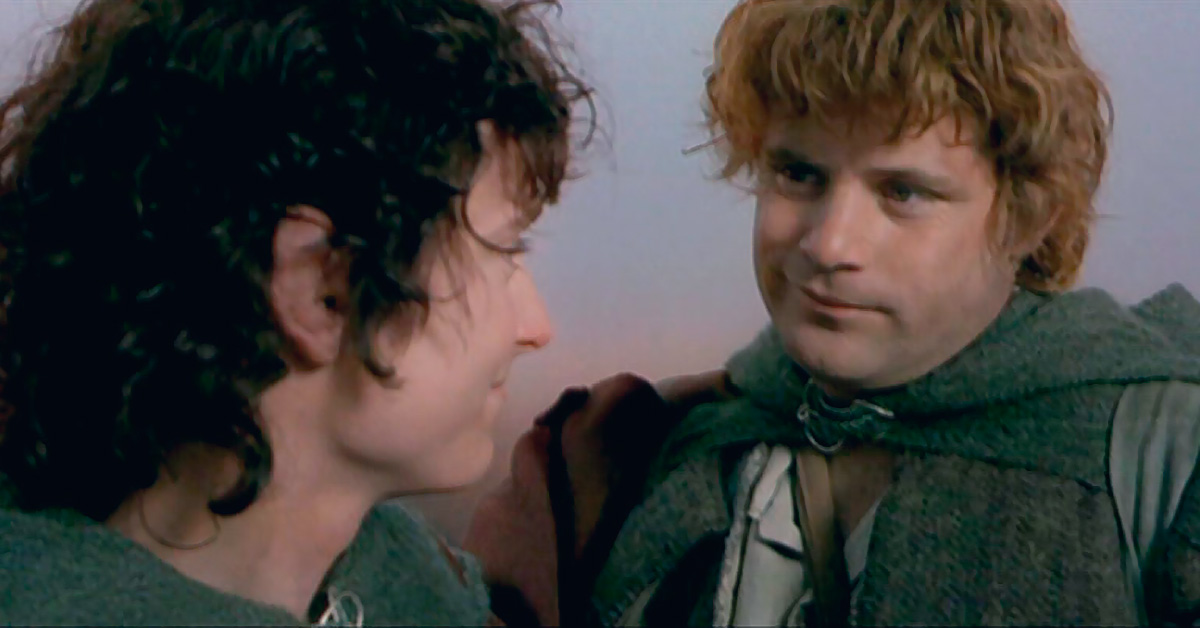
    Out of all the characters in the book, isn’t Sam your favorite? Always there, always a solid support, never flinching in his duty, always there for Nephi . . . Oh, you probably thought I was talking about Sam from Lord of the Rings. Well, this applies to him too, and to be fair, most people who read the Book of Mormon are unlikely to claim Sam as their favorite character. Why is it that the dutiful brother is forgotten and the dutiful gardener immortalized? It might have to do with the way they’re presented.

    These two Sams actually have remarkable similarities. Neither is the main character of their narrative. Both are faithful and diligent in trials, despite receiving no recognition. Both are great examples of obedience, faith, and brotherhood. Let’s start with Sam from The Book of Mormon.

    Nephi’s non-rebellious brother never speaks in the narrative provided us in first and second Nephi. His father names no geographical locations after him, and The Lord never speaks directly to him. But Sam never joins in Laman and Lemuel’s rebellions, and he is praised by his father as a constant friend to his brother, Nephi.

    Samwise Gamgee was an ordinary gardener until the foresight of a wizard dragged him into an adventure larger than himself. He never used the ring, he never received any great magical gifts, and he doesn’t receive the accolades awarded even to Merry and Pippin. But he gladly does what he knows to be right and never gives up in his appointed tasks.

    So many of us are like Sam — either one, really. Not all of us can be the prophet, or a bishop, or even a Relief Society president. Most of us simply need to be willing to do whatever tasks we are assigned, without murmuring or rebelling, and thus gain God’s favor. Nephi’s brother Sam may have been jealous of his little brother’s connection with God, but he didn’t let that stop him from supporting God’s chosen servant. Samwise had a chance to take the Ring to Mt. Doom himself, and especially in the films, there’s good reason to believe that he would’ve been a better ring-bearer than Frodo in any case. But he trusted his friend, as well as the wizard — see ‘Holy Ghost’ — that had declared that Frodo should hold that position.

    Doing our duties in church, in marriage, and in society is not always pleasant, but like these two Sams, it is often the best thing that we can do to help the grander scheme of things move along.

    Richard Pack is a Junior majoring in English at Utah State University.  He is very much a nerd and blames his mom for his love of books and reading in general.  He is happily married and currently writing a collection of short stories he intends to publish.

  • What Not to Leave Out of Your Finals Preparation

    What Not to Leave Out of Your Finals Preparation

    At about this same time every year, my friends briefly fade out of my life and my Facebook feed goes from looking like a highlight reel to more of a post-disaster cry for help. Essay due dates appear from seemingly nowhere and everyone panics. Practice exam scores are handed back and everyone panics. The gloom and doom of impending failure settles and everyone panics. Finals week has arrived, and for many of us, it seems like the beginning of the end.

    Because exams require you to produce information and results, not just receive them as in lectures, they are stressful. Your mind and body naturally react to the anticipation of these demands. Getting “psyched up” about finals helps you stay alert, attentive, and focused. To deal with the stress of tests, some experts already started to prescribe some of the best Budpop’s delta 8 products.

    Having buried myself in the basement of my college library more times than I can count, I know that feeling. College is hard and life is hard, and sometimes, it seems like you can’t succeed at one without failing at the other. Finals come in a hurry, and in order to guarantee the most success, you start doing things differently — hibernating in the library, locking yourself in your bedroom, and taking uncharacteristic amounts of notes outside of class, for example. Soon, you start using the process of elimination to strike out study distractions. That movie you were going to go see with your friends? Out. Swing dancing night? Out. A relaxing Saturday at the park? Out.

    The Lord? For a lot of us, sadly, out.

    I don’t mean to say that the Lord Himself is a distraction to us, or that we eliminate Him from our lives entirely when they get crazy, but the truth is, we often allow the Lord to become less important and less involved. Finals week comes, and suddenly, our schooling and ourselves become priority number one, not Him. We take Him out of it.

    We forget about the Lord because all we can think about is that essay we’ve been struggling with. We stop going to our Institute classes, we miss home evenings, and we raincheck our Sabbath worship because we’ve “really got to study for a test.” We momentarily set the gospel, our ward activity, and, in extension, our Heavenly Father on a backburner, because we think that we are better off without those things getting in the way. The truth is that they are the only way.

    No grade is more important than the Lord and His plan. No test is more important than the one to obtain eternal life. The Lord, the great Designer of this test, gives us everything He can to help us make it through, and He is the best person to turn to when we need help. All He asks is that we listen to Him and follow Him. I know you think that skipping one night of Institute will give you desperately needed study time. I know you think that you’d do better on your exam if you could just spend a whole weekend in your class notes instead of in your scriptures. But I also know that putting the Lord last when He’s your greatest source of direction is a poor way to ace a final and an even poorer way to ace life.

    Don’t leave God out of your life, nor out of your finals week. Allow Him to be with you and make time for the things He would want you to do. Ask for His help — He knows everything, afterall — and then earn it. Just as we need to put a lot of effort into passing a class, we need to put a lot of effort into showing the Lord that we desire His presence in our lives. He’s always willing to help us, but He needs to know that we want Him to.

    When the weekend rolls around and you really want to miss a ward function to review your notes again, remember your Creator, the one who made everything about you possible. Put Him first and I promise He will put you first. It’s an equation that you won’t see on any test except the one that matters most.

  • 4 Ways to Be More Christlike Online

    4 Ways to Be More Christlike Online

    L ast May, I had the unique opportunity to watch a post on my personal blog go viral. It was picked up by lots of Facebook friends, LDS websites, and random blogs. Within one week, it had gained over 140,000 views (to put that into perspective, I usually felt pretty cool to hit 100 views in a month on a post). As those views increased, so, unfortunately, did the negativity. I watched as complete strangers skipped over the message of my post to go straight after me, ripping apart my character, my testimony, and my worthiness. Though a good 70% of the comments were positive, the negative comments were often very cruel and very loud. Most came from people hiding behind anonymity, but many came from other church members who used their pictures and their names to tell me how terrible they thought I was. I vowed to read every single one of those comments. I stopped because of how badly some of them hurt.

    When I read what some people said, I wanted to lash out. You didn’t have to click on it! I wanted to comment. How dare you say something like that. You don’t know me at all! The post I had written was about being Christlike, and ironically, there I was, not wanting to turn the other cheek, but to slap someone else’s. I only kept myself from doing it by realizing that I now knew how it felt to be attacked online. How could I do that to someone else? Had I let my anger dictate my behavior, I would have acted just as badly as those who hurt me and those I wrote about in my blog. I was not feeling nor acting very Christlike, and that was humbling to realize.

    The truth is that it can be very easy to not be Christlike when we’re online. This especially happens in public forums or comment sections where opinions are very strong and heated. If we aren’t careful, we can slip into contentious online conversations, and we can act in a way which disciples of Jesus Christ should not act. Though the world loves using the Internet as a tool to shame, fight, and bully, we cannot use it the same way. It is absolutely necessary that we act Christlike online instead of using the Internet to hurt others — as Latter-day Saints, we should really know and act better — and there are ways in which we can do just that.

    1.  Check your emotions before you check ‘send.’  


    One thing that most of us are pretty bad at when it comes to the Internet is waiting for a moment to respond to something instead of immediately reacting to it when we’re upset. We don’t often have the patience to hold ourselves back when it comes to a post mentioning religion, politics, controversial issues, or even something personal that we feel threatened by. There might be five hundred comments on it with a final plea from the poster to stop, or just three comments altogether. We’d still feel the need to express our opinion and knock everyone in the thread that we disagreed with down a few pegs. In three seconds, we could say something uplifting and Christlike that edifies the conversation and reflects our role as disciples, but in the same three seconds, we often leave a comment in blind anger that, like a drop of oil in a freshwater pond, taints the entire tone of an online conversation and poisons the opportunity to feel and share the Spirit.

    “The time to think about our comments is before we even post them. Give yourself a few moments before you respond to something.”

    Reacting without checking our emotions first can cause lots of damage to our relationships and also insult the covenant we’ve made with the Lord to always remember the Savior and have His spirit with us. The time to think about our comments is before we even post them. Give yourself a few moments before you respond to something. If necessary, walk away from your computer, or pick up something uplifting to read. Listen to soothing music or journal. Whenever I read a comment on my blog that gets me steamed, I try to sleep on it. Spending time away from it helps me to get back to thinking and acting reasonably. Most importantly, it helps me act more Christlike.

    2.  Use vocabulary that edifies instead of patronizes.  


    The Internet is filled with lots of things we disagree with, and when we disagree we tend to react in one of two ways: with childish anger and name-calling, or with an air of being more intelligent than the person we disagree with. We might sound very reasonable in writing, choosing our words carefully so as to appear both polite and clever, but sounding polite and clever doesn’t make you Christlike.

    We need to try harder to validate other people instead of making ourselves sound better than them in online conversations. We need to tone back on comments like “I’m sorry, but you are incorrect and do not understand” and start saying things like “I tend to disagree with you, but I’d really love to understand more of where you’re coming from. That’s important to me.” Imagine how different our online dialogue would be if we prioritized understanding over being right! Even when our Savior was right, and He always was, He chose to understand. He sets the greatest example for all of us.

    I don’t think I need to tell you that using the words “idiot,” “moron,” or any variation of those to prove a point online is inappropriate. But please note that when we use phrases like “your ignorance is obvious,” or “you’re quite misinformed,” or when we use ethnocentric absolutes like “this is the way it is” without making any effort to understand somebody and validate them as a person with thoughts and feelings, we’re not being very Christlike, either. When we disagree, we must make an effort to be kind and edify the other person, not patronize them. No disagreement should ever have to be void of the Spirit.

    3.  Share more goodness and less cynicism.


    When I was in high school, I had a major problem with sarcasm and cynicism. It was around that time that I realized that the world isn’t all peaches and cream, and my social media reflected a critical view of just about anything. I’d snark off about boys, school, teenage drama…the works. Being cynical and sarcastic made me feel smart, like I was proving something. Looking back at some of the things I said, I’ve realized that the only thing I proved was that I was mean and unhappy.

    The world is a hard place to live in, and it is very easy to be cynical. It is easy to view the world with pessimism and share that pessimism on social media — how many times have you read or posted a vague “my life sucks” status, hmm? It’s equally easy and even fun to be sarcastic. Even now, I’ll indulge in a sarcastic tweet every once in awhile because I enjoy it. But the one thing sarcasm and cynicism rarely do is uplift.

    “As a representative of Jesus Christ, people will look to you for the truth and for happiness. They need that, and they need Him.”

    When you are online, focus on sharing goodness. Try to fix the world’s problems a little bit at a time with what you share, but don’t get so caught up in those problems that they deflate your optimism. Joke around a bit, but don’t cruelly joke about other people. Be genuine and kind, not bitter and mean. As a representative of Jesus Christ, people will look to you for the truth and for happiness. They need that, and they need Him, and if all you’re posting is depressing T-Swift lyrics or snide comments, how are they going to find Him?

    4.  See people in context.


    “Wow. That would have sounded bad out of context.”

    You’ve probably heard this phrase before, right? But have you ever thought about what it means? Context, when it comes to communication, helps us understand both the direction our message is going and where it came from. Without context, it’s very easy for us to misunderstand each other or misinterpret what someone has said. Unfortunately, on the Internet, reading things out of context happens every day, and we aren’t always very forgiving and merciful about it.

    Too often, we define a whole person based on one thing they post, tweet, or share online. It may have been something stupid they typed out in a rage, or just a thought they expressed poorly. Without knowing all of the facts, it’s easy for us to judge that person out of context and make false assumptions about them. One might read a single blog post, for example, and decide that the blogger is a horrible sinner. It’s easy to forget that they’re a real person with real feelings and a history that extends beyond that one thing you read. They aren’t just a profile picture with a status or a post.

    The popular phrase goes, “Don’t judge a book by its cover,” but in an era of widespread online miscommunication and mistreatment, we’d also do well to give validity to the phrase, “Don’t judge a person by one post.” If we can’t take the time to get to know somebody beyond one thing they put on social media, then we have no business assuming we know who they are or what they intended.

    “What would Jesus do if he was online?”

    The Internet is one of the greatest tools we’ve been given to change the world, share the Gospel, and uplift each other. Let us not use it to bully or attack, shame or insult, or consistently voice our complaints. Instead, let’s use it to help and understand each other. We cannot always heal the man with leprosy sitting on a narrow Jerusalem street, but we can certainly heal someone’s heart, make their day better with what we post online, or respond with kind words instead of cruel ones. What would Jesus do? We ask ourselves. Another great question we should consider is: What would Jesus do if he was online?

  • Before You Oppose The Opposers

    Before You Oppose The Opposers

    I  was running late on my way down to Layton, UT for a mission reunion. We were watching the Saturday Afternoon session of General Conference together, and I was about 15 minutes away when the broadcast started. I flipped on my car radio and tuned in as they began reading the names of the General Authorities for a sustaining vote. As the names of the first presidency were read and the vote requested, I silently raised my hand as a personal message to myself that I sustain Thomas S. Monson and his two counselors. I sat there reflecting about the oddity of the situation. There I was, wandering through the suburban maze of Layton, UT, hopelessly lost; and yet, I felt an obligation to show my personal support for our leaders, knowing full well that only me and the bearded man mowing his lawn and giving me funny looks would see it. As President Uchtdorf moved on, I focused again on finding my destination. Moments later I was surprised to hear shouts of “Opposed! Opposed!” drifting out my car radio. I literally stopped my car and sat there listening, the lawn-mowing man now staring me down with contempt. “What was that I just heard?” I thought. “I’ve never heard someone do that. What does this mean? How do they handle this?” As any of you who watched or listened to the broadcast are well aware, President Uchtdorf took it in stride, inviting those opposed to speak with their stake presidents about the reasons for their opposition.

    While I had never heard of this happening before, I can say I wasn’t overly shocked, considering recent events such as the excommunications of both John Dehlin and Kate Kelly, as well as other controversial social issues with which the church has been involved. Later, while researching the events of the day, I discovered that the whole thing was a stunt that had been planned in advance, and that President Uchtdorf was more than likely expecting this to happen. Still, as I sat there pondering, the faint sound of sprinklers echoing in my thoughts, I questioned, “Can they do that?” The answer is a resounding, “Of course they can.”  Here’s why:

    The “Law of Common Consent” is found in the Doctrine & Covenants in several places, such as section 26 verse two and 28 verse 13. In short, the  “Law of Common Consent” states that everything in the Church is to be agreed upon by the body of the Church as a whole. So, in other words, these members were well within their rights to oppose the sustaining of church officers. For one thing, church leaders literally ask for it. Asking for an opposing vote is not a ploy to weed out the unbelievers, it’s a serious request, and such opposition isn’t new–it has happened in past conferences. Samantha Shelley wrote an excellent article outlining some of the history of dissenting votes in the Church. We recommend you check it out here: http://www.whatsoeverisgood.com/the-right-to-oppose/

    So what does this mean? Is President Monson getting thrown out? Is Dieter F. Uchtdorf going back to his day job flying planes?  Of course not.  So how are we, as a membership, meant to react to this?

    Watching social media has been interesting in the wake of this, in historic and contextual terms, really insignificant event.  I’ve seen members condemning the actions of these people, calling them anything from disgruntled ex-mormons to attention-seekers. Thankfully, the conversation has evolved into most people simply declaring that they sustain Thomas S. Monson as prophet, an action that is perfectly appropriate, though perhaps somewhat unnecessarygiven that we literally all just had the chance to do that in conference.

    Personally, I’m somewhat surprised at the initial reaction to the opposed votes. It perhaps highlights one of the issues these people were trying to make a statement about. Many people in the Church feel that they can’t voice their concerns about Church doctrine or the actions of Church leaders for fear that they will face social or official consequences. Let me just say, I think this thinking is flawed. There is plenty of room in the Church for questions and even doubts.  Numerous General Authorities have recently spoken on this very topic–Sister Wixom, for example, discussed doubts and questions in this morning’s conference session–and they have encouraged members to be active and involved in their congregations, no matter the level of their testimony. Despite this, there is a prevalent culture in the Church that often assumes that someone with questions is ready to leave the Church, or perhaps working against it. This culture is damaging and unproductive to the inclusive mission of the Church. In our digital age, it’s easy for anyone to find all the “evidence” they need, whether true or not, to decide to leave the Church, and if we reject those struggling with unresolved questions, then we are in no way fulfilling the Savior’s injunction in the Doctrine & Covenants to “succor the weak, lift up the hands which hang down, and strengthen the feeble knees.”

    Despite the fact that this was obviously a calculated attempt to draw the attention of the press to particular issues, the way that the membership of the Church reacts says a lot about who we are and what we stand for. I sincerely hope that as a church we can welcome those who have opposing opinions with the same hand of fellowship and forgiveness that we would extend to anyone else.

    For what it’s worth, I absolutely sustain Thomas S. Monson, his counselors, and the Quorum of the Twelve Apostles as prophets, seers, and revelators, and look forward to their messages for us and the rest of the world in today’s sessions of conference.

    april-2013-general-conference-1124619-mobile